
“Can I bring my dog?”
This simple question immediately eliminates more senior living communities from consideration than most operators realize. According to the 2025 Senior Living Sentiment Study, 26.1% of seniors list the ability to bring pets as a top reason for considering a community.
For over a quarter of your potential market, pets are considered family members, emotional support systems, and non-negotiable parts of their identity. When your website lacks clear pet policy information or your community doesn’t welcome pets, you’re disqualifying yourself from an entire market segment before the conversation even begins.
The Emotional Reality Behind Pet-Related Decisions
More Than Companionship
For seniors facing the prospect of leaving their longtime home, pets represent something much deeper than companionship. They embody unconditional love during major life transitions and provide daily routine through care responsibilities.
Many seniors say their dog is the reason they get up each morning and take walks around the neighborhood. Pets create social connections with other pet owners and offer emotional stability during what’s often a stressful decision-making period. Perhaps most importantly, pets provide a sense of continuity, a tangible link to their previous life and identity.
The Fear Factor That Stops Conversations
The prospect of giving up a beloved pet creates immediate emotional resistance to considering any move. Some families abandon their search for senior living entirely rather than face the guilt and anxiety of “abandoning” a loyal companion.
This fear often creates family conflict when adult children suggest that rehoming pets might be necessary. The result? Decision paralysis when seniors feel forced to choose between getting the care they need and keeping the companion they love.
Market Differentiation That Actually Matters
Transforming Pet Policies Into Competitive Advantages
Pet-friendly communities gain immediate access to 26% of the market that actively prioritizes pet accommodation [22]. More importantly, these prospects often show higher emotional investment and faster decision-making when they find communities that understand their needs.
We’ve worked with communities that transformed their pet policies from a simple “yes, we allow pets” to comprehensive pet programs. The results included increased family visitation (grandchildren love visiting grandparents with pets), enhanced community social dynamics through pet-related activities, and overwhelmingly positive online reviews specifically mentioning pet amenities.
The Ripple Effect of Authentic Pet-Friendly Culture
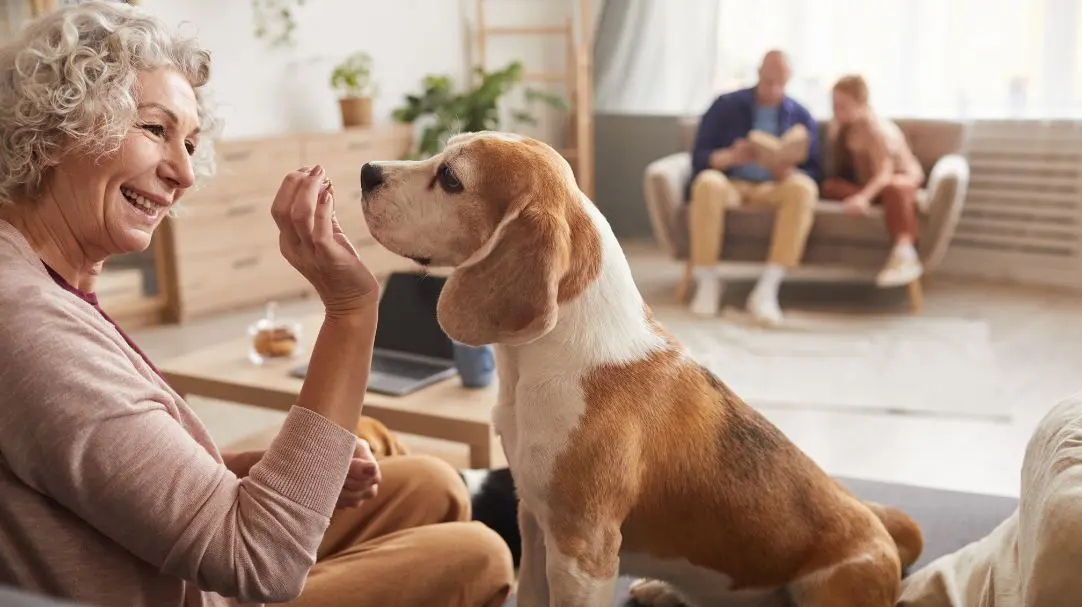
Communities that truly embrace pets as family members rather than tolerate them as policies see measurable differences in resident satisfaction. One client shared that their dog park became the most popular gathering spot in the community, creating friendships between residents who might never have connected otherwise.
This organic social connection translates into marketing gold: authentic testimonials, user-generated content, and word-of-mouth referrals from families who feel genuinely understood and welcomed.
Strategic Implementation: From Policy to Powerful Marketing
Making Pet-Friendliness Visible From the First Click
Your website is where 59.4% of prospects want to see pricing information before speaking with anyone [22]. It’s also where they’re researching your pet policies. If visitors have to hunt through your website to find pet information, you’re creating unnecessary friction in an already emotional decision.
Essential website elements include:
- “Pet-Friendly Community” messaging prominently displayed on your homepage
- Hero images featuring residents with their pets in community settings
- Clear pet policy overview in main navigation (not buried in FAQ sections)
- Pet amenity highlights integrated into your community features
- Authentic testimonials from current residents discussing their pets
Developing Amenities That Create Competitive Moats
Basic pet accommodation is table stakes. Communities that win the pet-loving market develop comprehensive pet infrastructure that competitors can’t easily replicate.
Essential infrastructure includes:
- Dedicated dog walking paths and exercise areas designed for senior mobility
- Indoor pet relief areas for inclement weather (especially important in harsh climates)
- Pet washing stations that residents can easily access
- Fenced dog parks designed for socialization and safety
Advanced amenities that create differentiation:
- On-site veterinary partnerships for convenient care coordination
- Pet sitting services during resident medical appointments
- Monthly grooming services offered as part of community programming
- Pet emergency care protocols that give families peace of mind
Content Marketing That Connects With Pet-Loving Families
Educational Content That Builds Authority
Your blog should become a resource for seniors navigating the emotional and practical challenges of moving with pets. Consider topics like:
- “5 Health Benefits of Pet Ownership for Active Seniors” (targets SEO while establishing wellness authority)
- “Moving with Your Pet: A Stress-Free Transition Guide” (addresses a major pain point)
- “How Our Residents’ Pets Adapted to Community Life” (social proof through storytelling)
This educational approach positions your community as a trusted advisor rather than just another sales-focused organization.
Social Media That Showcases Authentic Community Life
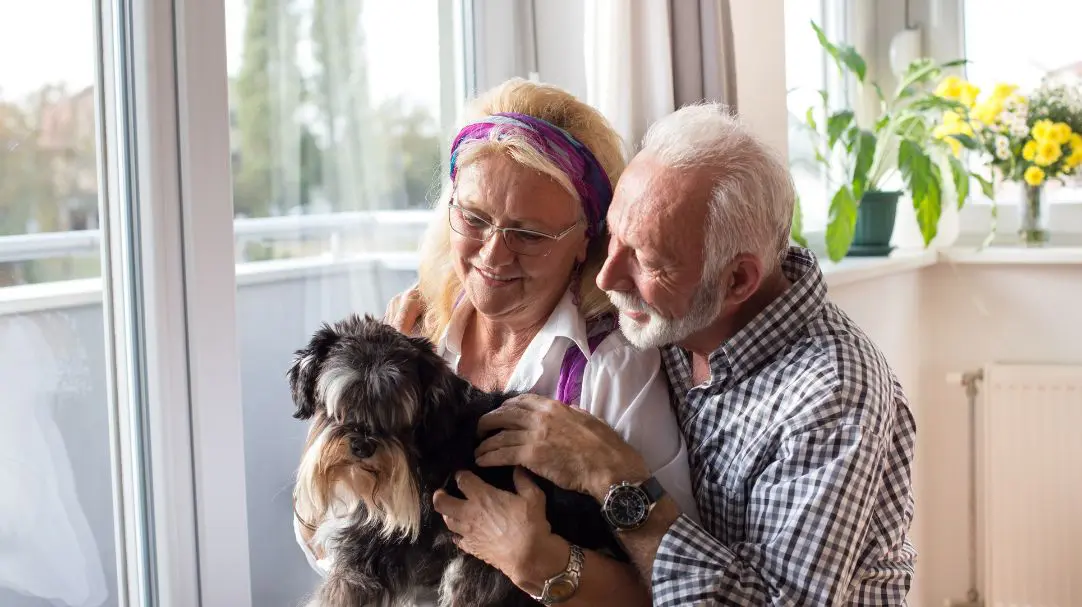
Pet-related content performs exceptionally well on social media because it’s inherently shareable and emotional. Daily pet photos featuring residents and their companions generate engagement, while behind-the-scenes content showing pet care and community activities builds trust.
User-generated content from families sharing pet stories provides authentic social proof that no amount of professional photography can replicate.
Addressing Pet-Related Concerns Before They Become Objections
Common Concerns and Trusted Responses
“Will my pet be happy in a smaller living space?”
Our apartments are designed with pets in mind, and our extensive outdoor areas provide plenty of exercise opportunities. Many residents discover their pets are actually more active here due to our walking groups and pet socialization activities. We can show you floor plans that work particularly well for pet owners.
“What happens if my pet gets sick and I can’t provide care?”
We have established partnerships with local veterinarians and pet care services. Our team can coordinate care, and we have protocols to ensure your pet receives attention even during temporary health challenges. This support system often provides more security than living at home alone.
“Are there significant additional costs for pets?”
We maintain a straightforward pet policy with a modest one-time deposit and a small monthly fee that covers additional cleaning and maintenance. Most families find this predictable cost much more manageable than the variable expenses of pet care at home.
Addressing Pet-Related Concerns Before They Become Objections
Common Concerns and Trusted Responses
“Will my pet be happy in a smaller living space?”
Our apartments are designed with pets in mind, and our extensive outdoor areas provide plenty of exercise opportunities. Many residents discover their pets are actually more active here due to our walking groups and pet socialization activities. We can show you floor plans that work particularly well for pet owners.
“What happens if my pet gets sick and I can’t provide care?”
We have established partnerships with local veterinarians and pet care services. Our team can coordinate care, and we have protocols to ensure your pet receives attention even during temporary health challenges. This support system often provides more security than living at home alone.
“Are there significant additional costs for pets?”
We maintain a straightforward pet policy with a modest one-time deposit and a small monthly fee that covers additional cleaning and maintenance. Most families find this predictable cost much more manageable than the variable expenses of pet care at home.
The Strategic Opportunity Hidden in Plain Sight
The 2025 Senior Living Sentiment Study reveals that transparency and social proof are the primary drivers of trust in the senior living decision process. Pet policies represent both: they demonstrate transparency about what you offer and provide immediate social proof when prospects see happy residents with their beloved companions.
For 26% of your potential market, the question “Can I bring my pet?” determines whether they’ll even consider your community. This isn’t about accommodating animals, it’s about respecting family bonds and recognizing that for many seniors, pets are essential to their emotional well-being and quality of life.
Pet-friendly communities that celebrate rather than merely tolerate pets transform a simple policy into a powerful competitive advantage. They attract devoted families, create lasting community bonds, and generate the kind of authentic testimonials that build trust with skeptical prospects.

Want to learn more?
Download the Complete 2025 Senior Living Sentiment Study for detailed insights on decision factors and community development strategies.